
FERC Compliance Trends for 2026: Takeaways from the Systrends User Conference
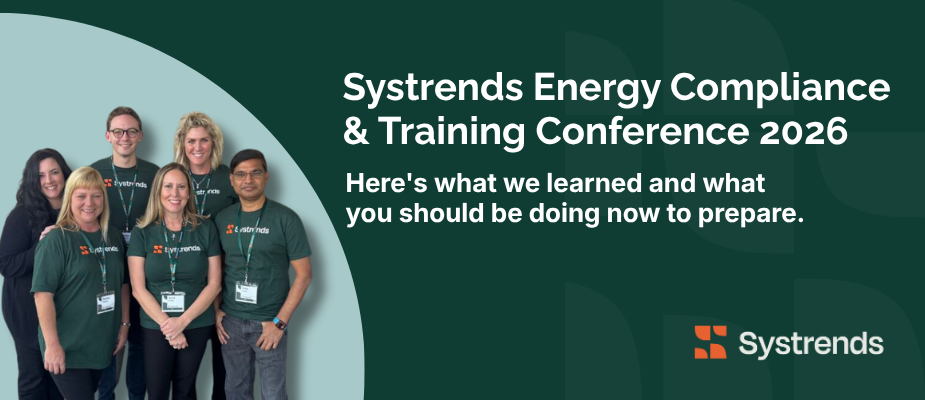
Last month, we brought our customers together in Tempe, AZ to talk FERC compliance, and it was one of my favorite weeks of the year so far. Two days, two tracks, 18 sessions, but what I keep coming back to is the people in that room. People who know what FERC filing season actually feels like. Hearing how we've helped them, and where we can keep pushing forward, is exactly why we built this conference. Here's what we came away with.
Everyone in the Room Spoke the Same Language
Energy compliance is a small world. The professionals who live inside eTariff, EQR, and MBR filings day in and day out form a tight, specialized community, and there's something really powerful about putting them all in the same room.
We had utilities, ISOs, RTOs, power marketers, and legal experts all under one roof. Sessions ranged from deep software training to high-level regulatory strategy, with plenty of built-in time for peer conversation. And honestly? Some of the best moments happened in those conversations between sessions, not on the agenda at all.
I opened the conference by talking about why we built this in the first place. The mission at Systrends has always been to reduce the burden of compliance work; the kind that keeps people at their desks well past when they'd rather be home. I'm passionate about reducing workloads so families can eat dinner together during filing season. Saying that out loud, in front of the people it's meant for, was one of my favorite moments of the week.
The Rules Are Changing. Are You Ready?
If one theme ran through nearly every session, it was this: change is coming. The organizations that are preparing now will be in a very different position than the ones that wait.
FERC is modernizing. That's the short version. The longer version involves a lot of specifics around why, what it means for your filings, and how to start getting ready today for requirements that are still being finalized.
A significant portion of our sessions focused on FERC's proposed NOPR (Order No. 917) for the Electric Quarterly Report (EQR), which will shift EQR submissions from the current XML format to an XBRL-CSV standard. This is not a minor update. It is a structural shift in how data is prepared, validated, and submitted and touches field definitions and the tools that filers have depended on for years. We spent real time just helping attendees understand what XBRL-CSV actually is, because that foundation matters before anything else does.
The feeling in the room was honest. There's real anxiety about the timeline. There's also genuine curiosity about what better standardization could unlock over the long run. The organizations I'd bet on are the ones already asking the right questions internally. Teams that wait for final technical specifications before acting will find themselves compressing months of process and tooling changes into a very short window.
MBR Is More Complex Than Most People Realize
We brought in outside expertise because some things are better heard from people who live in the legal and regulatory trenches every day.
Dan Nugent, an energy regulatory attorney from Norton Rose Fulbright, led two sessions on FERC's Market-Based Rate program (one overview, one deep dive). The questions from the room made one thing clear: many organizations are underestimating what MBR compliance actually requires. Deadlines, filing triggers, market power calculations—the stakes are real, and more teams than you'd expect are managing this without anyone who clearly owns it.
The thread connecting both sessions: compliance is not a back-office task you can set and forget. It requires real collaboration across legal, regulatory, and operations teams, and it requires software that can keep up.
ISOs Showed Up Ready to Share
I was especially glad for the ISO presence at this conference. The challenges they face running eTariff at scale are genuinely different from what most utilities deal with, and they don't always get a forum designed for them.
Managing redlines, version control across massive tariff documents, priority orders, record-level associations. Real, daily friction for the people doing this work. The roundtable format gave ISOs a chance to share what's actually working and where they're stuck, and the conversations were candid in the best way. We came away with a clear picture of what matters most and what we want to tackle next.
Utilities Told It Like It Is
The utility roundtable was one of the most candid sessions of the entire conference. People came ready to talk.
The themes that kept surfacing across EQR, eTariff, and MBR were consistent regardless of company size: managing high-volume data without introducing errors, keeping up with regulatory change across multiple filing types at once, and the constant tension of doing more with lean teams.
What struck me was how universal that pressure is. The specifics vary, but the underlying reality, don’t make a mistake, keep up, do more with less, was shared across almost every organization in that room.
What's Next for EQR, MBR, and eTariff Software at Systrends
We didn't just use this conference to teach. We used it to listen.
The feedback sessions and innovation roundtables gave our team direct, unfiltered input on what's working, what's frustrating, and where the biggest opportunities are. That input is already shaping our roadmap.
Next-generation EQR software is in active development with a focus on reducing manual data handling, improving validation transparency, and supporting high-volume filers under the new XBRL-CSV framework. The coming XBRL-CSV transition is a real inflection point, and we're treating it as an opportunity to rebuild with a better workflow, better data visibility, and stronger performance for high-volume filers.
MBR portal enhancements are ongoing. Order 860 compliance is complex and interconnected, and we're continuing to invest in features that make it easier to manage, especially around submitted data navigation and asset appendix accuracy.
eTariff improvements are being driven directly by what we heard from customers. The cloning features, filing library updates, and workflow changes we demonstrated got strong reactions, and the roundtables told us exactly what to focus on next.
And on a bigger note: our acquisition of HData Compliance in late 2025 nearly doubled our eForms customer base and expanded our eForms footprint and strengthened our ability to support end-to-end FERC reporting across filing types. We are all in on energy reporting, and this conference was a clear reflection of that commitment.
Why In-Person FERC Compliance Training Still Matters
You can read a release note, you can watch a webinar, but you can't replicate what happens when a room full of compliance professionals finally gets to compare notes with people who face the exact same pressures they do.
People stayed for every breakout. They lingered at happy hour at Pedal Haus because the conversations weren't finished yet. They came back on day two with follow-up questions from things they'd learned the day before. That energy is hard to manufacture, and it's exactly what we were hoping to create. There is no substitute for the peer connection that comes from being in the room together, and we're already thinking about how to make the next one even better.
Let's Keep the Conversation Going
This is the part I love most, staying connected with the people doing this work every day. We're already planning what comes next and I don't want you to miss it.
If you’re evaluating how to prepare for Order 917 or looking at ways to reduce the manual burden across EQR, MBR, eTariff, or eForm filings, now is the time to start that conversation.
You can:
Join our upcoming EQR webinar on the Final Rule Explained: Key Changes and Compliance Impacts
Register for our webinar on How to Streamline FERC Filings with eForms
Schedule a short demo tailored to your current filing process


